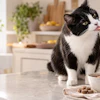
Hill's Pet Nutrition has released its 2026 World of the Kitten Report, a comprehensive resource co-developed with International Cat Care that addresses kitten nutrition from weaning through the first year of life.
Weaning and early food introduction
Authored by Lisa Restine, DVM, DABVP (Feline), the report states that weaning can begin around 4-5 weeks of age and that how a kitten is weaned can make a lasting difference. The first foods offered should be properly formulated, complete and balanced kitten food and/or a high-quality kitten milk replacer. A healthy kitten should gain approximately 10 grams per day during this period.
Critically for manufacturers, the report emphasizes that early variety exposure shapes lifelong preferences: offering different flavors, textures and forms during the weaning period builds what the report calls "food flexibility," making it easier for caregivers to transition cats to new diets later in life. A kitten's food preferences are largely shaped by its mother and the types of food it is offered when young.
Nutrient requirements
The report outlines that kittens require a significantly higher percentage of protein than adult cats to support development of muscles, organs and other tissues. Dietary fat serves as a concentrated energy source and provides essential fatty acids, including omega-3 fatty acids such as docosahexaenoic acid (DHA), which play a role in development of the brain, nervous system and retina. Excess dietary fat, however, is identified as a risk factor for unhealthy weight gain.
Kitten foods should also provide more calcium, phosphorus and magnesium than adult cat foods, and the calcium-to-phosphorus ratio must be correct to support efficient absorption and development of bones and teeth.
Food selection criteria
The report recommends feeding commercially formulated kitten foods that carry a nutritional adequacy statement from the Association of American Feed Control Officials (AAFCO) for "feline growth" or that meet European Pet Food Industry Federation (FEDIAF) guidelines for growing kittens.
According to the report, pet food labels alone are insufficient for distinguishing product quality. The report advises choosing foods from companies that support their claims with scientific research, citing the World Small Animal Veterinary Association (WSAVA) guidelines as a useful reference for caregivers and veterinary professionals.
The report recommends against homemade diets, citing a 2019 UC Davis study of 114 homemade diet recipes in which none met recommended allowances for all essential nutrients, even recipes developed by veterinarians. If a homemade diet is desired, the report recommends consulting a board-certified veterinary nutritionist.
Freeze-dried and raw foods are flagged as particularly high-risk for kittens, whose immune systems are not fully developed. Kittens fed these diets can shed pathogens including E. coli, Salmonella, Listeria and others, posing health risks to human family members. The report said that high-pressure pasteurization does not entirely eliminate all pathogens.
The full 2026 World of the Kitten Report is available at hillspet.com.