The Purina Institute is advancing the conversation on microbiome science in veterinary medicine, focusing on two areas: the gut-brain axis and antimicrobial stewardship.
The gut-brain axis
Research is clarifying how the gut microbiome influences brain function, behavior and disease through biological pathways. At the Purina Institute Microbiome Forum in November 2025, leading global scientists and veterinary experts presented emerging evidence that the gut-brain axis operates through microbial metabolites, immune signaling and neural pathways.
For veterinarians, this research links gastrointestinal health to neurologic and behavioral conditions such as epilepsy, paroxysmal dyskinesia and mood regulation in dogs. It reframes certain neurologic and behavioral disorders as systemic conditions with GI contributors, highlighting the role of diet and precision nutrition in brain function via the microbiome.
"The latest gut-brain axis science shows that the microbiome actively communicates with the brain through metabolites, immune and neural pathways — underscoring the axis as a clinically actionable pathway rather than a theoretical concept," said Julia Albright, DVM, MA, DACVB.
Antimicrobial stewardship
At the Microbiome Forum, global veterinary experts also emphasized the importance of antimicrobial stewardship, advocating for selective use, diagnostic guidance and integration of antimicrobials within multimodal, microbiome-centered strategies — including nutrition, microbiome assessment and restorative approaches.
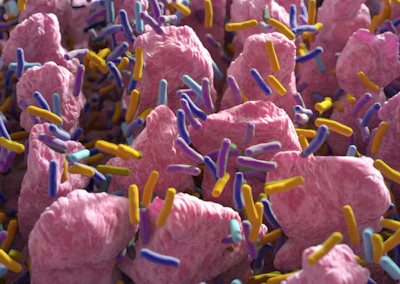
While antimicrobials remain essential tools in veterinary medicine, their use must be balanced against evidence that they can disrupt the gut microbiome with potential long-term consequences for gastrointestinal, skin and systemic health.
Antimicrobial exposure — particularly repeated or early-life use — can alter microbial diversity, impair gut barrier function and contribute to chronic disease risk later in life. These findings shift stewardship toward precision use guided by diagnostics, disease severity and microbiome impact.
"This science reframes antimicrobial use through the microbiome — empowering veterinarians to protect both immediate patient outcomes and long-term health," said Jan Suchodolski, DVM, PhD, AGAF, DACVM. "By advancing microbiome science and antimicrobial stewardship together, the Purina Institute is helping to empower veterinarians in preserving the benefits of antibiotics while reducing unintended harm — shaping a more sustainable future for pet health."
The Purina Institute convenes global experts to synthesize microbiome science and translate it into clinically relevant insights for veterinary professionals.